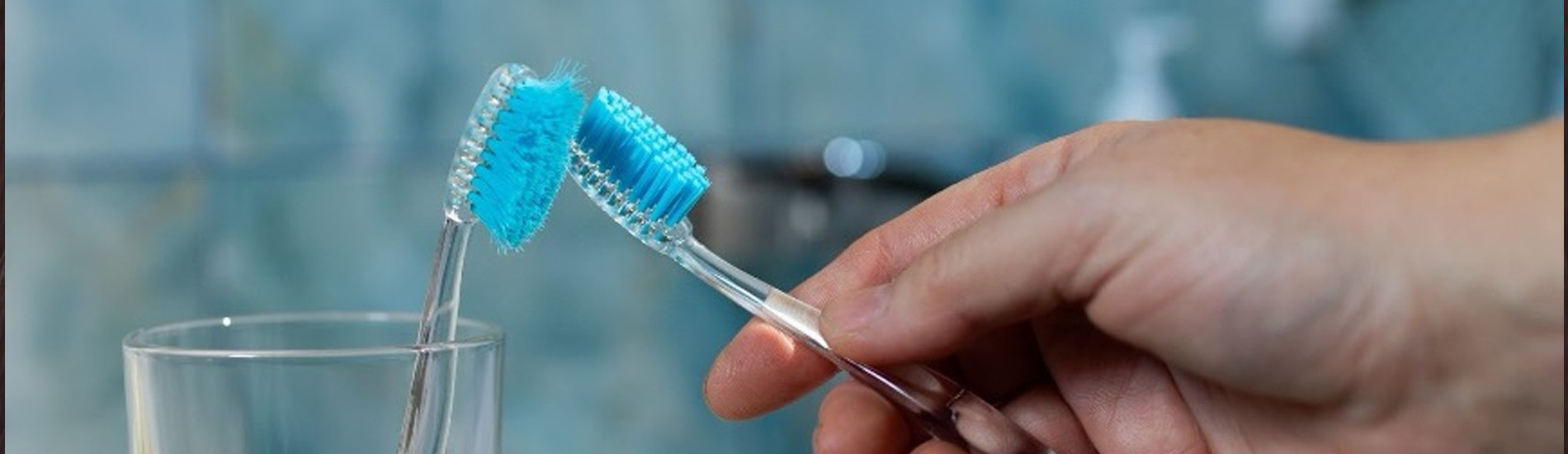

For a toothbrush to be effective, the bristles must be in good condition. They are straight and flexible when they are first designed, which enables them to remove plaque from the grooves of your molars and from beneath the gumline when they are first formed. After those bristles start to flare out, they lose their edge in terms of mechanical performance. A worn-out toothbrush does not really clean the tooth; rather, it only "mops" the surface of the tooth, leaving the plaque that is the most harmful right where it occurred.
Take into consideration the environment in which your toothbrush is kept, which is often a wet bathroom. The base of the bristles becomes a breeding ground for germs and dampness throughout the course of time. A brush that has been used for at least six months might hold much larger quantities of bacteria, even though most of these germs are safe. The germs are brought back into your mouth each time you brush with it, so you should avoid doing so. When it comes to improving your oral health, one of the most cost-effective and straightforward methods is to replace the head of your toothbrush (or electric brush) every three months. A clean brush not only looks and feels nicer, but it also helps to keep your breath smelling fresher.
So, in short, make sure your changing your brush or toothbrush head 4 times a year.